Research Seminar
Students on the Winter 2023 quarter Research Committee will each share an area of research focus and methodology to increase scholarly interaction with each other.
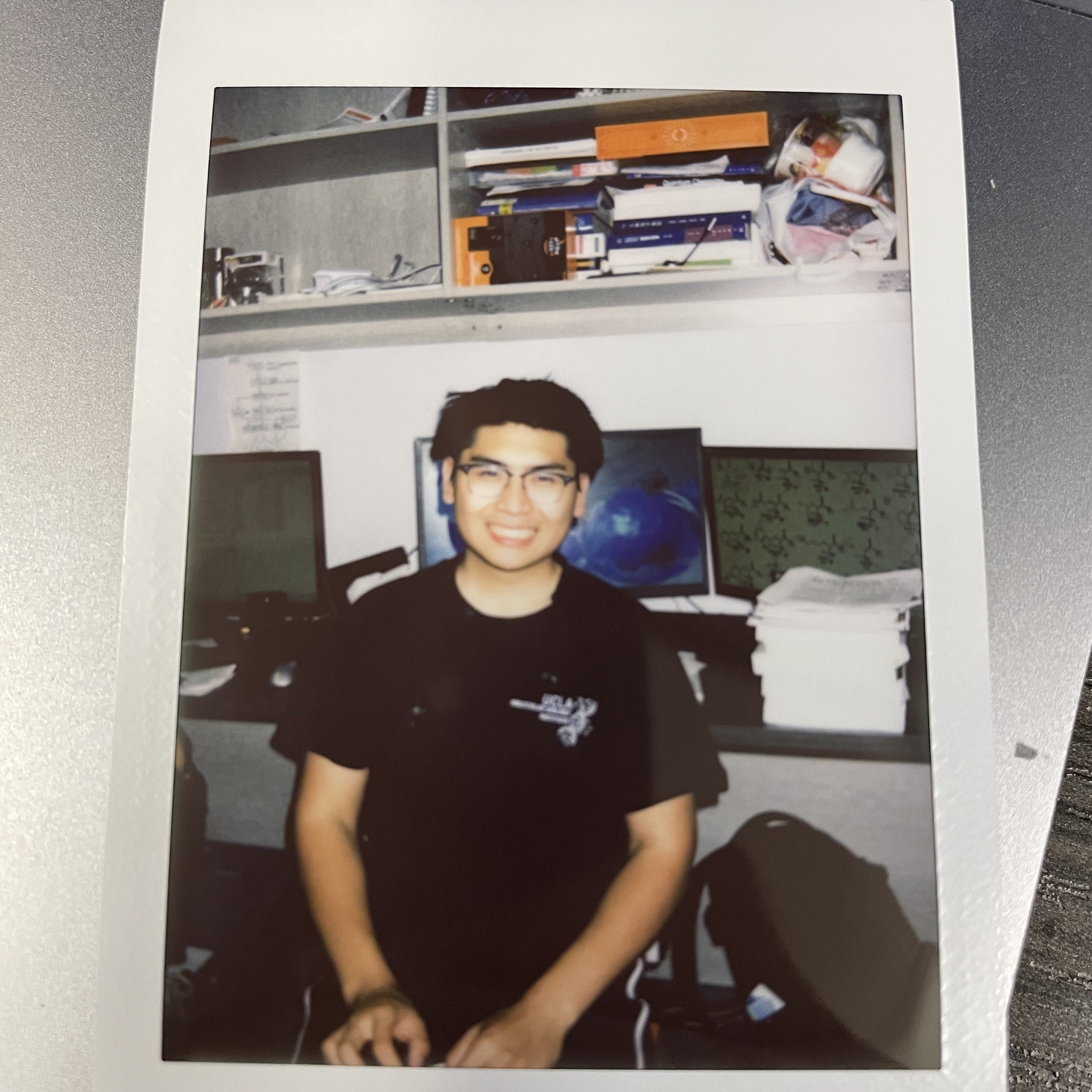
– Speaker: Songrong Qu –
InT@UCLA Research Committee,
Undergraduate Researcher @Rodriguez Lab
in the Department of Chemistry & Biochemistry at UCLA
1 The Origin of Molecular Biophysics?
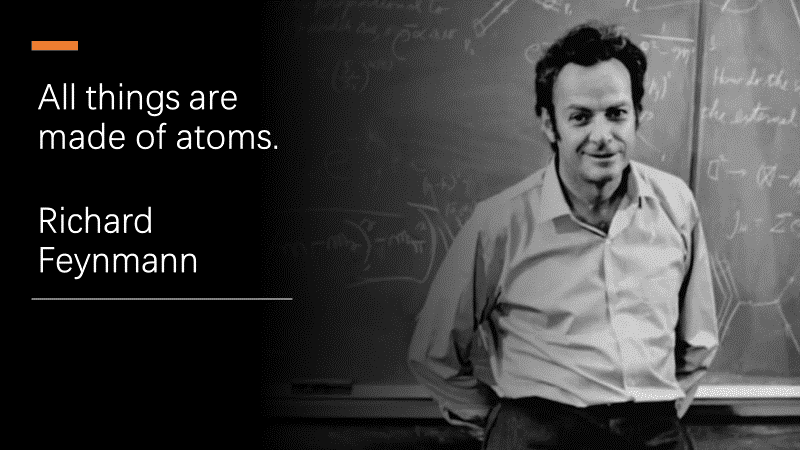
In 1961, while teaching physics at Caltech, Feynman posed the question, “If, in some cataclysm, all of scientific knowledge were to be destroyed, and only one sentence was passed on to the next generation of creatures, what statement would contain the most information in the fewest words?”
Feynman’s own answer was, “All things are made of atoms.” 【1】
From atoms to biological systems, if we want to understand molecular biophysics/chemical biology truly, we have to go back along this scientific corridor to its origins.
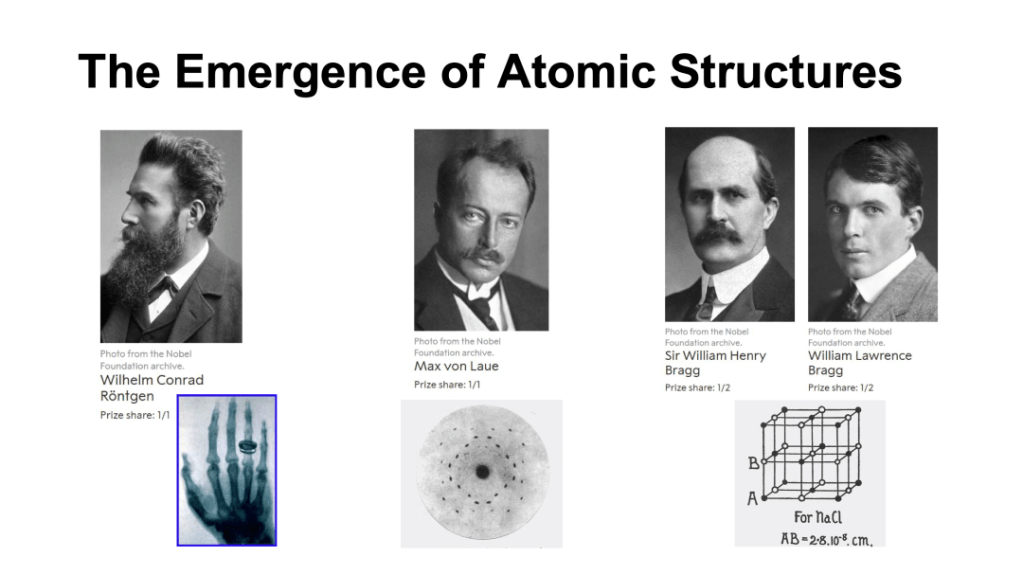
Since the beginning of the last century, W. Rontgen (1901) [4], Max von Laue (1914) [5], W. Henry Bragg (1915) and his son, W. Lawrence Bragg (1915) [3], have unveiled the study of crystal structures by X-rays with their diffraction. Crystallography began to open a wide range of applications as a method of characterizing the atomic structure of objects.
In the middle of the century, with the application of new technologies, D. C. Hodgkin (1955) resolved a variety of biological macromolecules, especially vitamin B12, using X-ray diffraction patterns [6]. L. C. Pauling et al. (1954) combined quantum physics calculations with experimental data from crystallography and proposed secondary structures of proteins such as α-helices, β-folding, etc., which enabled the observation of the function and structure of biomolecules on an atomic scale [7].

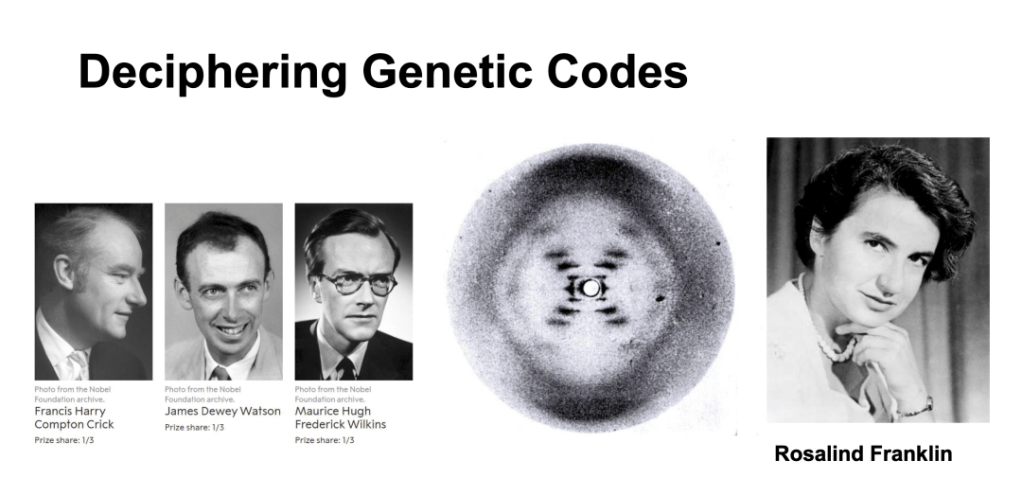
For the core of biological genetic material, the genetic code or more specifically DNA, its arrangement was studied contemporaneously by Watson (1962), Crick (1962) [8], Franklin (who passed away regrettably in 1958), Wilkins (1962) [8], and others. In particular Rosalyn Franklin [10]’s important experimental contributions enabled Watson and Crick to accurately predict the base pairing of DNA (Bowling lost out with the double helix because he miscalculated the configuration of the bases) and the two forms of DNA (A-DNA versus B-DNA) [9].
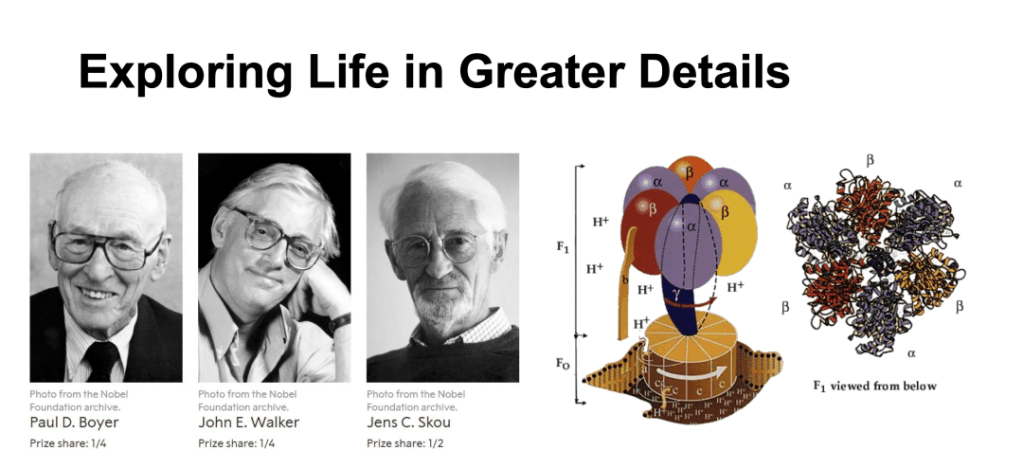
The exponential growth of structural biology started with the full development of X-ray crystallography, and from the first resolved myoglobin to the recent breakthrough of 200,000 experimentally resolved structures in the protein database, we were able to unravel the response mechanisms of life step by step. For example, J. C. Skou (1997), Sir J. E. Walker (1997), and Prof. P. D. Boyer of UCLA [12] have explained the mechanism of ATPase through a series of methods of structural biology, whose delicate design, like a motor makes energy supply possible, and a series of peculiar biological macromolecules all show people the power of evolution and the numerous activities in the organism. [11]
Molecular biophysics encompasses not only specific structural analysis but also a wide range of characterization tools, from single-molecule imaging to proteomics, a series of developments that enable us to observe life activities from a multi-dimensional and multi-scale perspective. The interactions of biomolecules allow us to use different tools to observe cells at work in real time, whether it is fluorescent molecular proteins or super-resolution imaging, where the epics of life unfold under the microscope.
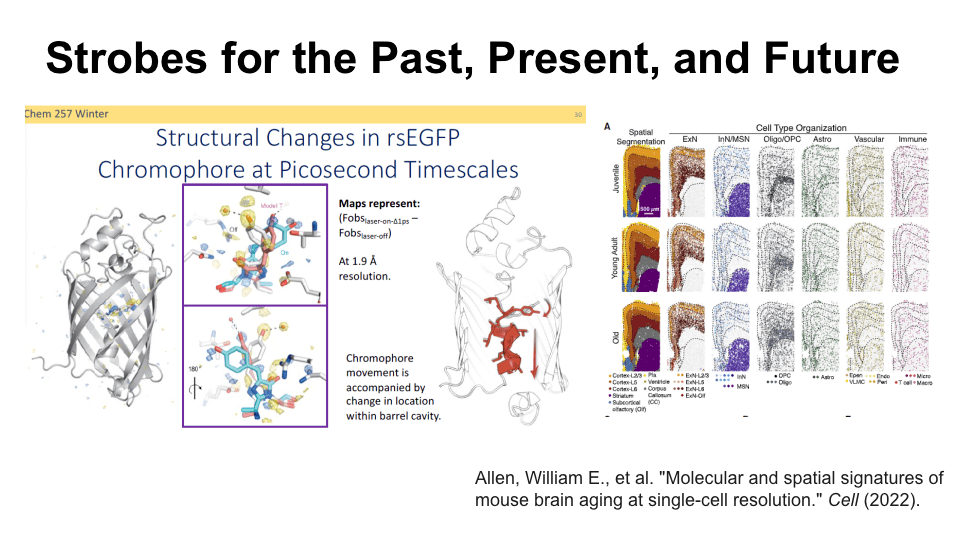
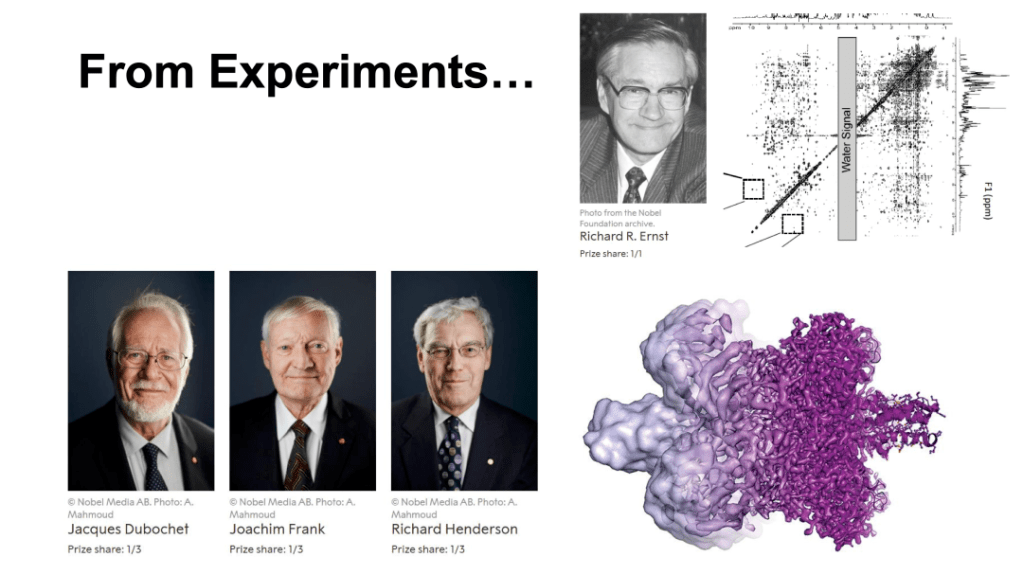
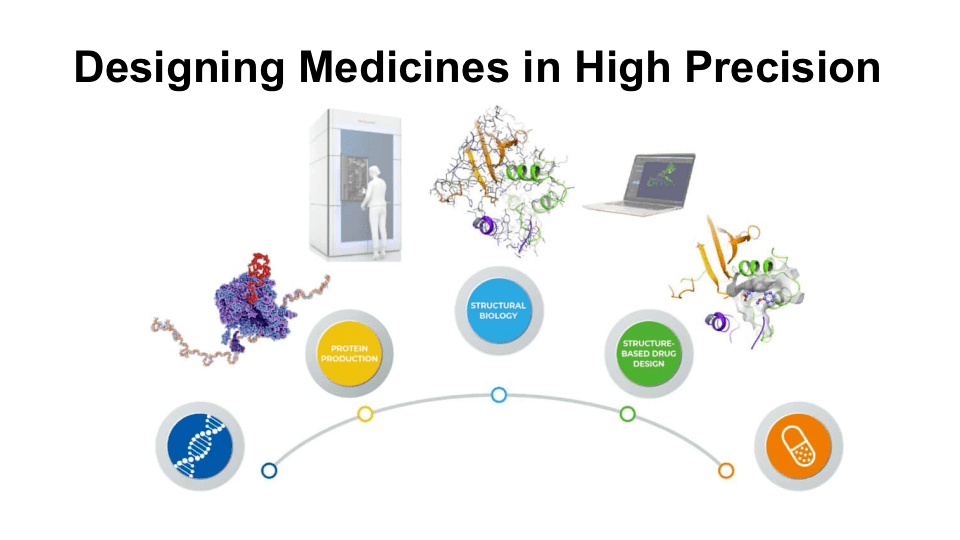
The production of controlled modifications of molecules, especially protein structures, has the potential to make medical treatment more precise. Among them, the high-resolution NMR spectroscopy of R.R. Ernst (1991) laid the foundation for later studies [13]. And low-temperature electron microscopy, pioneered by J. Dubochet (2017), J. Frank (2017) and R. Henderson (2017), in the ’10s, allowed for new precision in the understanding of structures [14].
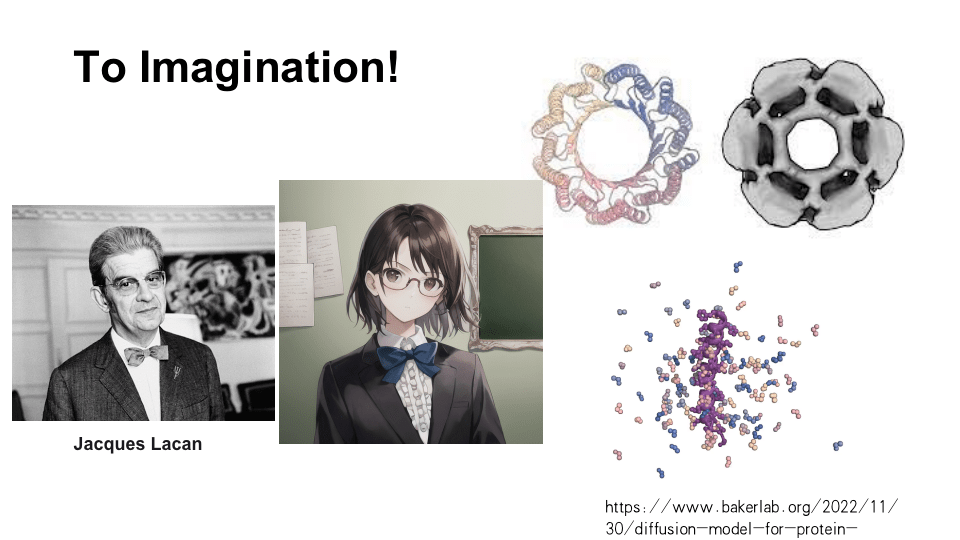
As the communication of disciplines deepens, we can even abstract from experiments and instead seek realistic answers from computation and simulation. Since 2020, the emergence of AlphaFold and the race to open-source RoseTTAFold have allowed the prediction of protein structure with unprecedented speed and accuracy. A series of practices combining deep learning models and protein sequence/structure relationships have enabled us to not only predict proteins but also design unprecedented macromolecules that lead to specification. [16]
2 Advances in chemical biology in recent years?
Also molecularly based, chemical biology is dedicated to the labeling, monitoring, and modification of organisms through the use of a series of chemical reactions. Based on the extreme complexity and crowded environment of biological systems, specific chemical reactions occurring in specific locations can serve as important targets for study.
The fascination with such reactions is, as Prof. C.R. Bertozzi (2022) puts it, “Imagine two people at opposite ends of a crowded room that is full of people, but no one sees the others or is even aware of the presence of the others; they just bump into each other mechanically. But in an instant, these two people meet each other, fireworks erupt, they are instantly attracted to each other, they hold each other’s hands tightly and embrace each other again because they are the perfect couple. That’s biological orthogonal chemistry.” [18]
Click reactions utilize monovalent copper to catalyze ring formation of azides in a split second without affecting cellular activity. This feature is now used in a wide range of applications, from the recognition of glycoproteins on the surface of cell membranes to the targeted release of drug delivery. Bioorthogonal Chemistry uses a range of chemical reactions to allow us to manipulate the activity of cells and life in real-time.

Using chemical biology, we can also achieve the synthesis of target molecules/drugs. Caltech’s F. H. Arnold’s (2015) award-winning Directed Evolution allows for the synthesis of different types of enzymes to catalyze different complex reactions by artificially accelerating natural selection. As a result, reactions that used to require high temperatures and pressures and high risks can now be realized with mild aqueous environments and enzymes.
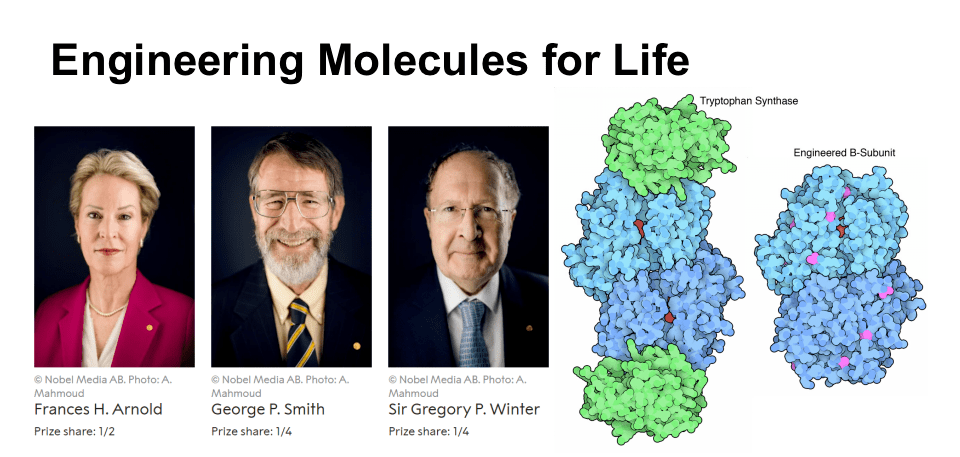
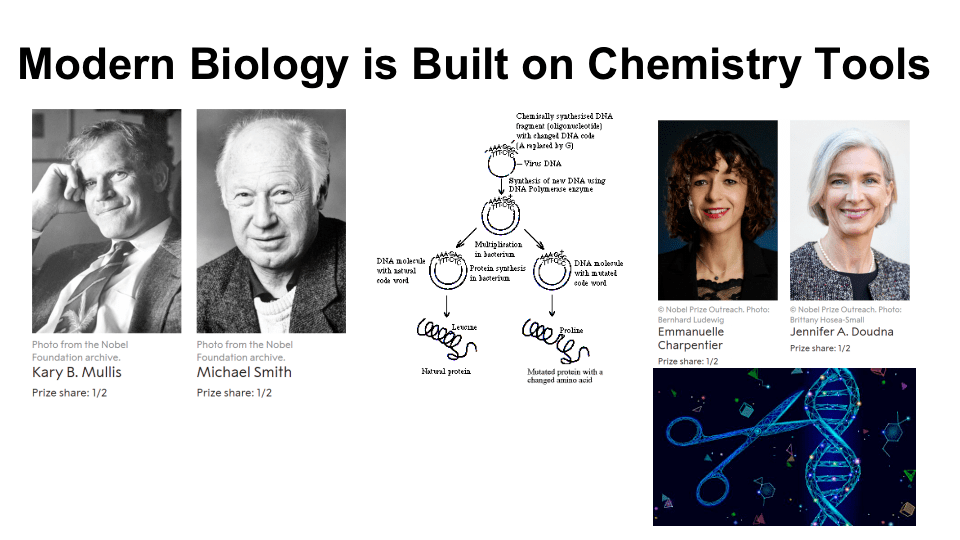
The modernization of biological disciplines cannot be achieved without chemical tools, such as the familiar PCR [21], which provided the path for large-scale sequencing and opened up genomics research, and CRISPR-9 in 2020, which raised the curtain on gene therapy [20].
3 Our Research?
As an example, Songrong’s personal research involves the prediction of protein misfolding through neural networks. While previous energy algorithms have been time-consuming and inconsistent, he hopes to simplify the prediction process and achieve greater breadth and accuracy through machine learning. Experimentally, he focuses on misfolded proteins using electron diffraction crystallography, starting with short peptide chains.
He also contributes to other projects, such as synthesizing the “peptide tricycle,” a molecule that enables drug delivery of short peptides by linking cysteines. He is also interested in mining specific protein sequences from unknown genomes to catalyze the synthesis of natural products.

4 Outlook and Industry?
In summary, complex living systems are based on the structure and interactions of a range of molecules, and molecules and atoms are integral to every aspect of biological research. From fluorescence under the microscope to the transcription of cellular throughput of mRNA (True In Transcription) to the synthesis of natural products from enzymes, biological systems have been described, adapted, and applied in the language of physics and chemistry.
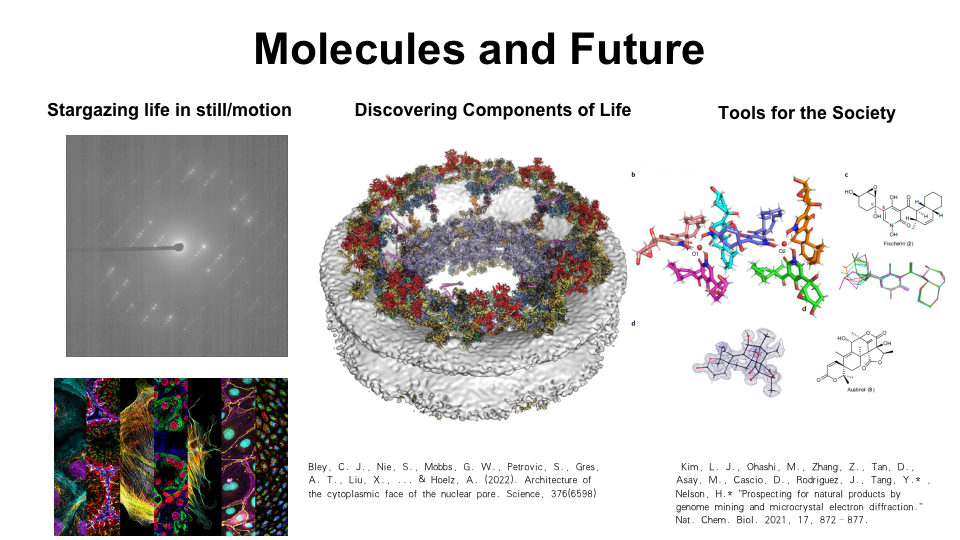
Because living systems are so colorful, there is an endless variety of research directions and applications. There are also many career paths, such as the industrialization of imaging technology by Thermo Fisher, the relentless exploration of drugs by pharmaceutical companies such as Amgen and Pfizer, and even the research on bioenergy by various energy companies, all of which can be very good employment opportunities.
Works Cited
【1】https://en.wikipedia.org/wiki/Richard_Feynman
【2】Songrong Qu’s slides, inspired by all the instructors CHEM M230/257: Prof. David Eisenberg, Prof. Todd Yeates, Prof. Jose Rodriguez,Prof. Juli Feigon, Prof. Robert Clubb, Dr. Duilio Cascio, Dr.Michael Sawaya, Dr. Robert Peterson, Prof. Emil Reisler, and Dr.Martin Phillips.
【3】The Nobel Prize in Physics 1915. NobelPrize.org. Nobel Prize Outreach AB 2023. Thu. 2 Feb 2023. https://www.nobelprize.org/prizes/physics/1915/summary/
【4】Wilhelm Conrad Röntgen – Facts. NobelPrize.org. Nobel Prize Outreach AB 2023. Thu. 2 Feb 2023. https://www.nobelprize.org/prizes/physics/1901/rontgen/facts/
【5】Max von Laue – Facts. NobelPrize.org. Nobel Prize Outreach AB 2023. Thu. 2 Feb 2023. https://www.nobelprize.org/prizes/physics/1914/laue/facts/
【6】Dorothy Crowfoot Hodgkin – Facts. NobelPrize.org. Nobel Prize Outreach AB 2023. Thu. 2 Feb 2023. https://www.nobelprize.org/prizes/chemistry/1964/hodgkin/facts/
【7】Linus Pauling – Facts. NobelPrize.org. Nobel Prize Outreach AB 2023. Thu. 2 Feb 2023. https://www.nobelprize.org/prizes/chemistry/1954/pauling/facts/
【8】The Nobel Prize in Physiology or Medicine 1962. NobelPrize.org. Nobel Prize Outreach AB 2023. Thu. 2 Feb 2023. https://www.nobelprize.org/prizes/medicine/1962/summary/
【9】WATSON, J., CRICK, F. Molecular Structure of Nucleic Acids: A Structure for Deoxyribose Nucleic Acid. Nature 171, 737–738 (1953). https://doi.org/10.1038/171737a0
【10】FRANKLIN, R., GOSLING, R. Molecular Configuration in Sodium Thymonucleate. Nature 171, 740–741 (1953). https://doi.org/10.1038/171740a0
【11】The Nobel Prize in Chemistry 1997. NobelPrize.org. Nobel Prize Outreach AB 2023. Thu. 2 Feb 2023. https://www.nobelprize.org/prizes/chemistry/1997/summary/
【12】Boyer, Paul D (October 18, 2002), “A research journey with ATP synthase”, Journal of Biological Chemistry, 277 (42): 39045–61, doi:10.1074/jbc.X200001200, PMID 12181328
【13】Richard R. Ernst – Facts. NobelPrize.org. Nobel Prize Outreach AB 2023. Thu. 2 Feb 2023. https://www.nobelprize.org/prizes/chemistry/1991/ernst/facts/
【14】The Nobel Prize in Chemistry 2017. NobelPrize.org. Nobel Prize Outreach AB 2023. Thu. 2 Feb 2023. https://www.nobelprize.org/prizes/chemistry/2017/summary/
【15】https://www.bakerlab.org/2022/11/30/diffusion-model-for-protein-design/
【16】https://alphafold.ebi.ac.uk/
【17】Allen, William E., et al. “Molecular and spatial signatures of mouse brain aging at single-cell resolution.” Cell 186.1 (2023): 194-208. DOI: https://doi.org/10.1016/j.cell.2022.12.010
【18】The Nobel Prize in Chemistry 2022. NobelPrize.org. Nobel Prize Outreach AB 2023. Thu. 2 Feb 2023. https://www.nobelprize.org/prizes/chemistry/2022/summary/
【19】The Nobel Prize in Chemistry 2018. NobelPrize.org. Nobel Prize Outreach AB 2023. Thu. 2 Feb 2023. https://www.nobelprize.org/prizes/chemistry/2018/summary/
【20】 The Nobel Prize in Chemistry 2020. NobelPrize.org. Nobel Prize Outreach AB 2023. Thu. 2 Feb 2023. https://www.nobelprize.org/prizes/chemistry/2020/summary/
【21】The Nobel Prize in Chemistry 1993. NobelPrize.org. Nobel Prize Outreach AB 2023. Thu. 2 Feb 2023. https://www.nobelprize.org/prizes/chemistry/1993/summary/
【22】https://rodriguez.chem.ucla.edu/Research.html
In the next installment, Yuxuan Xia will present a brief overview of bioinformatics!
 In Transcription. @UCLA
Leave a comment