

Research Seminar
Students of the Research Committee this year will share their research fields and research results. Through this, we can understand each other’s research priorities and methods in different fields of biomedicine, increase academic exchanges with each other, and exercise the ability of scientific research reports. Each issue will also attach relevant commercial R&D companies for audience’s reference.
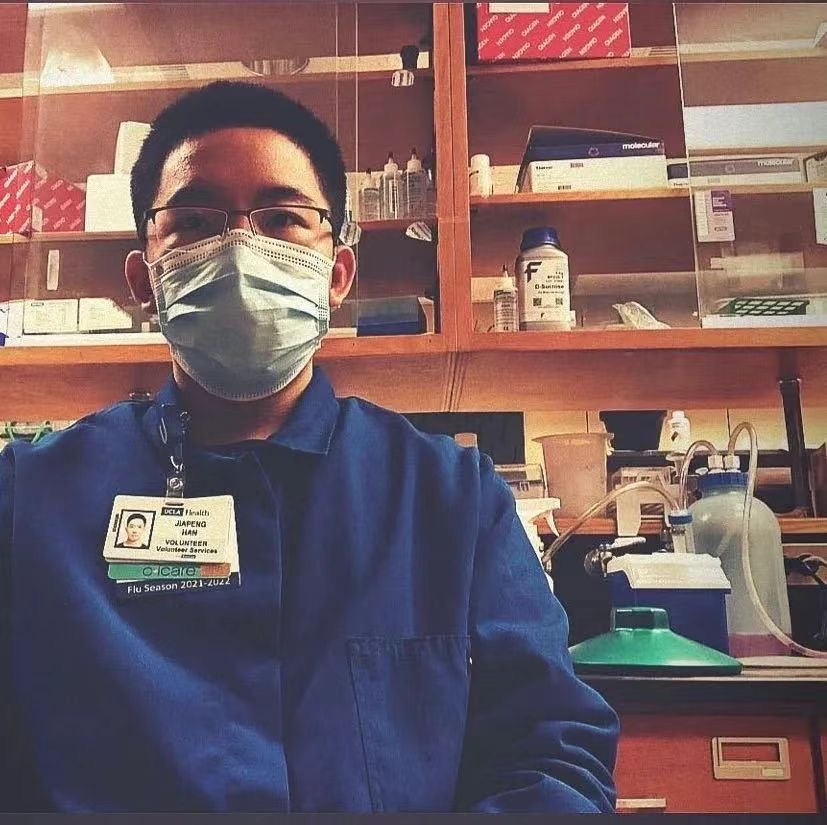
– Speaker: HJP –
InT@UCLA Research Committee Director,
Work study @ Dr. Jie Zheng Lab at Stein Eye Institute, David Geffen School of Medicine at UCLA.
“Pre-PhD, My dream is to set up my own laboratory or a biomedical company. I like fitness, cooking, muscle cars, and classical music.
Responsibility, integrity, and never giving up are my mottos.”

1 Why we care Glaucoma?
Glaucoma is the leading cause of vision impairment and blindness. Although glaucoma is often understood as a disease of the elderly, there are many students around me who have high intraocular pressure and unhealthy eye habits (such as staying up late and playing with mobile phones). These are potential factors that lead to glaucoma.
The eyes are the window to the soul, and I hope that through my own research, I can make a little contribution to preventing more blindness from happening.
CAUSES OF GLAUCOMA?
An increase in intraocular pressure is the primary cause of ocular hypertension. If the high intraocular pressure is not controlled for a long time, the extremely high pressure in the eye will damage the optic nerve and cause visual impairment, and in severe cases, it will cause irreversible blindness. This is the formation process of glaucoma.

There are many types of glaucoma, the following two most common:
Primary open angle glaucoma is due to rising intraocular pressure.
- It may be related to family history of glaucoma, untreated high intraocular pressure, diabetes, high myopia, and thin central corneal thickness.
Seconday glaucoma are formed by specific pathological factors.
- For example, long-term use of steroids, inflammatory cells/damaged tissue cells caused by some primary eye diseases block the trabecular meshwork, etc.
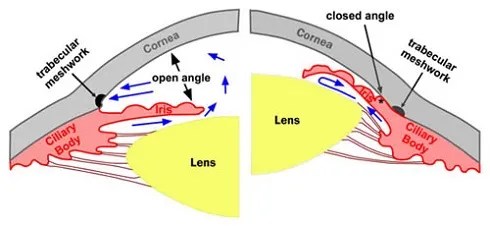
SYPTOMS OF GLAUCOMA?
Generally, there are no symptoms in the early stage. When the disease develops to a certain extent, blurred vision, eye swelling, and headache will appear. Significant visual impairment or blindness in advanced stages。
CURRENT TREATMENTS OF GLAUCOMA?
Drug therapy (mainly focused on lowering eye pressure):
- Prostaglandin derivatives (increase aqueous humor drainage)
- Adrenoceptor blockers (decrease aqueous humor production)
- Cholinomimetic drugs (increase aqueous humor drainage)
- Carbonic anhydrase inhibitors (to reduce aqueous humor production)
Surgical Treatment:
- Trabeculectomy
- Glaucoma Drainage Device Implants
2 What are the latest trends in glaucoma research?
A focus of glaucoma research is the organization of the trabecular meshwork .
As shown by the arrow in the figure below, the trabecular mesh tissue is located at the junction of the cornea (cornea) and the iris (iris), and is mainly responsible for regulating and controlling the circulation of aqueous humor (aqueous humor). If the structure of the trabecular meshwork is damaged or abnormal, the aqueous humor circulation will no longer be regulated, which in turn will lead to a continuous increase in intraocular pressure , which may eventually lead to the development of glaucoma.
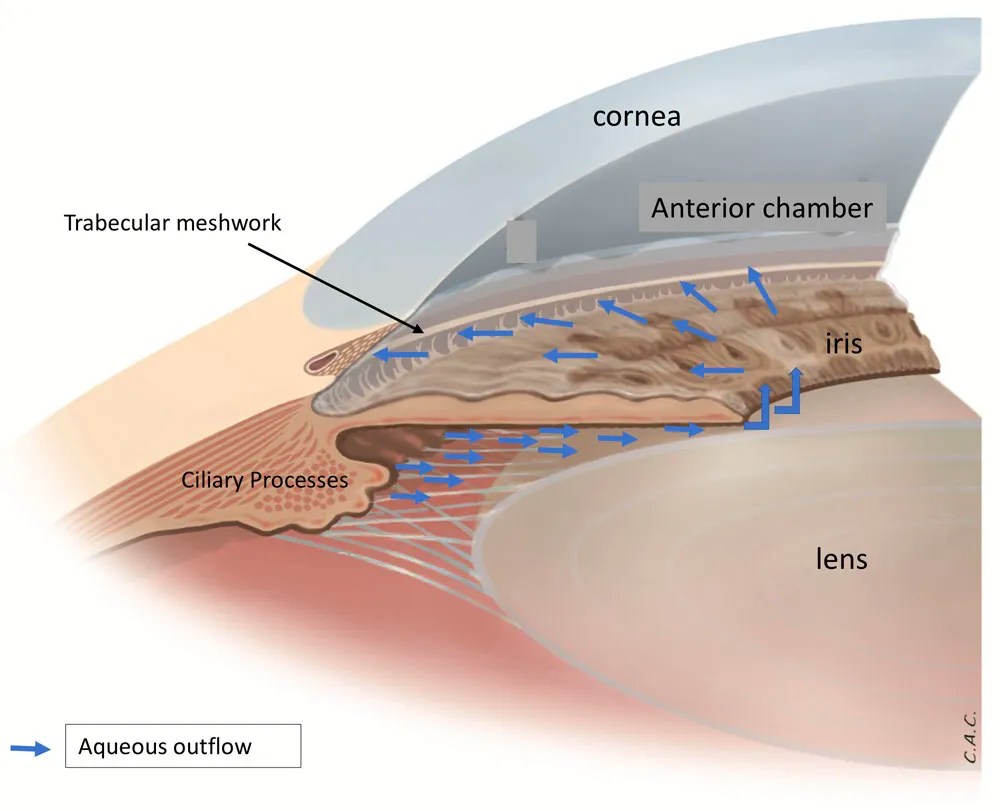
In the pathological state of glaucoma, trabecular meshwork cells will undergo many changes, including changes in morphology , the expression of specific genes will be significantly increased or decreased, the accumulation of extracellular matrix (extracellular matrix), and the formation of cytoskeleton (cytoskeleton). increase etc.
Dexamethasone is the most common and widely used glucocorticoid in clinical practice. A large number of existing research results and clinical data prove that long-term glucocorticoid eye drops treatment or systemic treatment can induce the increase of intraocular pressure, and then lead to steroid-induced glaucoma (steroid induced glaucoma) .
Because primary open-angle glaucoma and steroid-induced glaucoma share many similarities at the molecular level. Therefore, researchers generally use dexamethasone to induce trabecular meshwork cells to form the pathological state corresponding to glaucoma. This is also the most common in vitro disease model in the field of glaucoma research.

3 Our research?
Our laboratory is interested in the altered expression of the WNT pathway (shown below) in a steroid-induced glaucoma model .
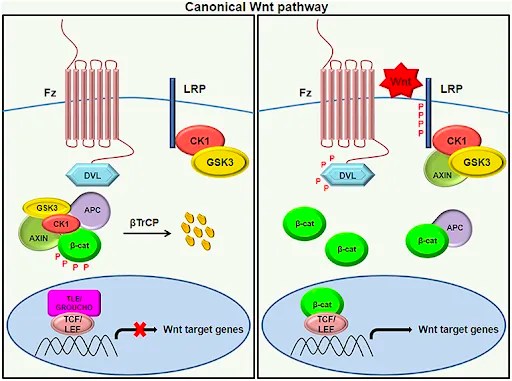
Existing studies have shown that steroid treatment can lead to a significant increase in the expression of the WNT pathway in trabecular meshwork cells, so we often test some small molecule drugs that we have designed based on the WNT pathway. For specific research results, please refer to the following link:
www.uclahealth.org/departments/eye/research/research-laboratories/therapeutic-development-ophthalmology/publications
4 What are the industries related to glaucoma treatment?
Diagnosis:
Glaucoma is the second most irreversible blinding eye disease in China. However, there are only more than 30,000 ophthalmologists in China . Even in Beijing and Guangzhou, where a large number of ophthalmic medical resources are gathered in China, the diagnosis coverage rate of primary glaucoma is only 18.0% to 20.3%.
In recent years, the artificial intelligence-assisted screening system based on color fundus images has saved costs in glaucoma screening, allowing screening to cover a wider population (Chen et al.).
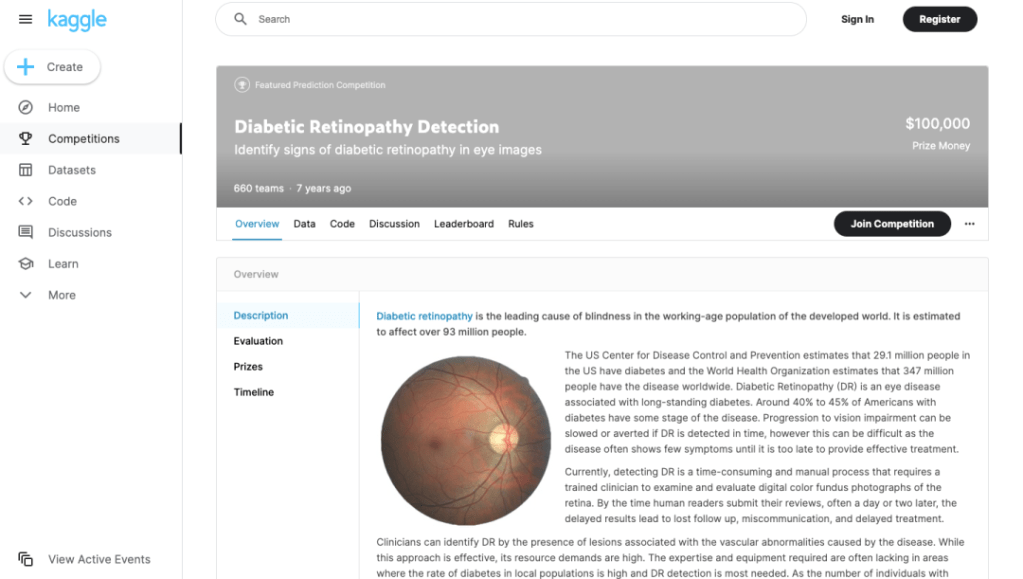
Fundus image dataset training (www.kaggle.com/c/diabetic-retinopathy-detection/)
Drug Treatment:
Sandoz (timolol), a subsidiary of Novartis,
Allergan (Lumegan bimatoprost eye drops),
Santen (Taprost Fluprost Eye Drops),
Alcon (Suwei Tantravoprost Eye Drops, Betaxolol Hydrochloride Eye Drops),
Other pharmaceutical companies are also actively researching and developing, such as Pfizer,Merck,Ocular Therapeutix,Icon Bioscience,Amorphex Therapeutics,Ellex,Quantel,Lumenis,Lightmed (Zhihu).
References
Chen, Binbin, et al. “Eye Diseases Burden in China in the Past 30 Years.” Zhejiang Da Xue Xue Bao. Yi Xue Ban = Journal of Zhejiang University. Medical Sciences, Zhejiang University Press, 25 Aug. 2021, doi: 10.3724/zdxbyxb-2021-0246.
Fini, M. Elizabeth, et al. “Steroid-Induced Ocular Hypertension/Glaucoma: Focus on Pharmacogenomics and Implications for Precision Medicine.” Progress in Retinal and Eye Research, Pergamon, 22 Sept. 2016,
https://doi.org/10.1016/j.preteyeres.2016.09.003
Lal, Maria, et al. “Novel Approaches for Ocular Targeted Drug Delivery Systems.” IJPPR, Human Journals, Feb. 2022, https://ijppr.humanjournals.com/novel-approaches-for-ocular-targeted-drug-delivery-systems/.
Laureano, Joseph San. “Closed Angle Gglaucoma Explanation.” Melbourne Eye Centre, 19 Jan. 2020, https://melbourneeyecentre.com.au/glaucoma/closed-angle-glaucoma/.
Patel, Sonal, et al. “Wnt signaling and its significance within the tumor microenvironment: novel therapeutic insights.” Frontiers in immunology 10 (2019): 2872, https://doi.org/10.3389/fimmu.2019.02872
Quigley, Harry A. “Glaucoma.” The Lancet, Elsevier, 30 Mar. 2011, https://doi.org/10.1016/S0140-6736(10)61423-7
Stamer, W. Daniel, and Abbot F. Clark. “The Many Faces of the Trabecular Meshwork Cell.” Experimental Eye Research, Academic Press, 19 July 2016,
https://doi.org/10.1016/j.exer.2016.07.009
Zhang, Chi et al. “Oxidative stress upregulates Wnt signaling in human retinal microvascular endothelial cells through activation of disheveled.” Journal of cellular biochemistry vol. 120,8 (2019): 14044-14054. doi:10.1002/jcb.28679
“Education.” Bangladesh Glaucoma Society, https://bgsglaucoma.com/education/.
“青光眼–国际防盲机构.” 国际防盲机构, IAPB Vision Atlas, 13 Apr. 2021, https://www.iapb.org/zh/learn/vision-atlas/causes-of-vision-loss/glaucoma/
许 斯达. “如何分析眼科市场和行业:基本信息和框架.” 知乎专栏, https://zhuanlan.zhihu.com/p/421305872
“2015-2025年青光眼治疗药物行业市场调研报告.” 知乎专栏, 湖南贝哲斯信息咨询有限公司, https://zhuanlan.zhihu.com/p/345865196
In the next issue, Sun Yuhan will bring a brief introduction to neurodegenerative diseases!


Leave a Reply